History of Berkana
Twenty-five years ago, a woman leaving prison had almost nowhere designed with her in mind. Community residential facilities existed, but they were built for men, and for women carrying histories of trauma and abuse, that meant healing had to wait. Berkana House was created to change that.
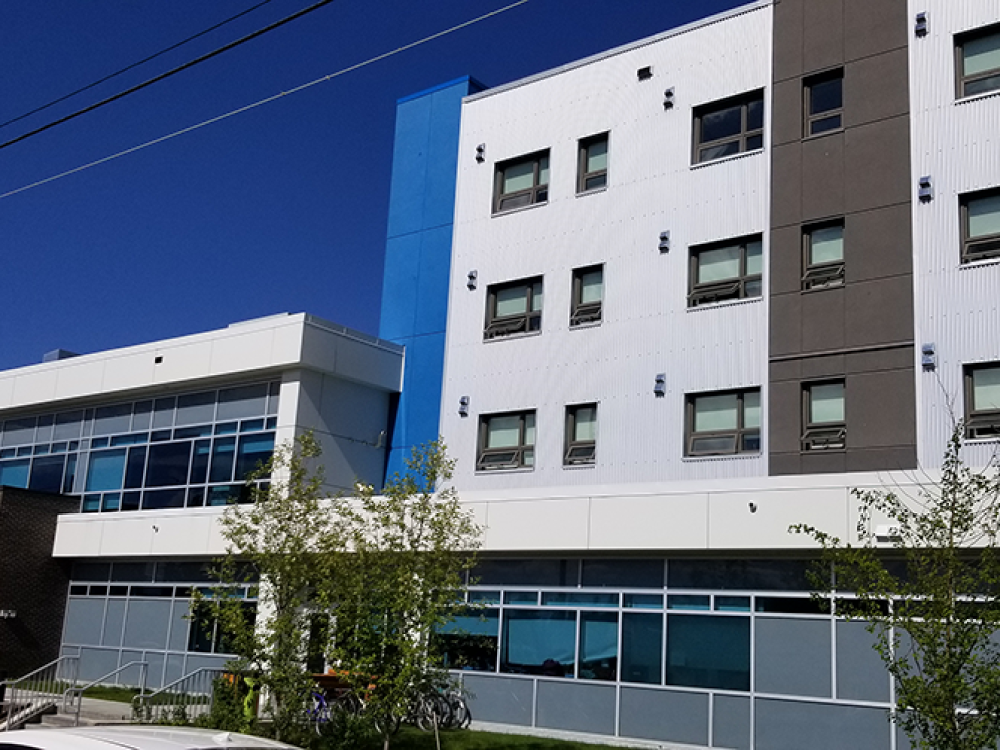
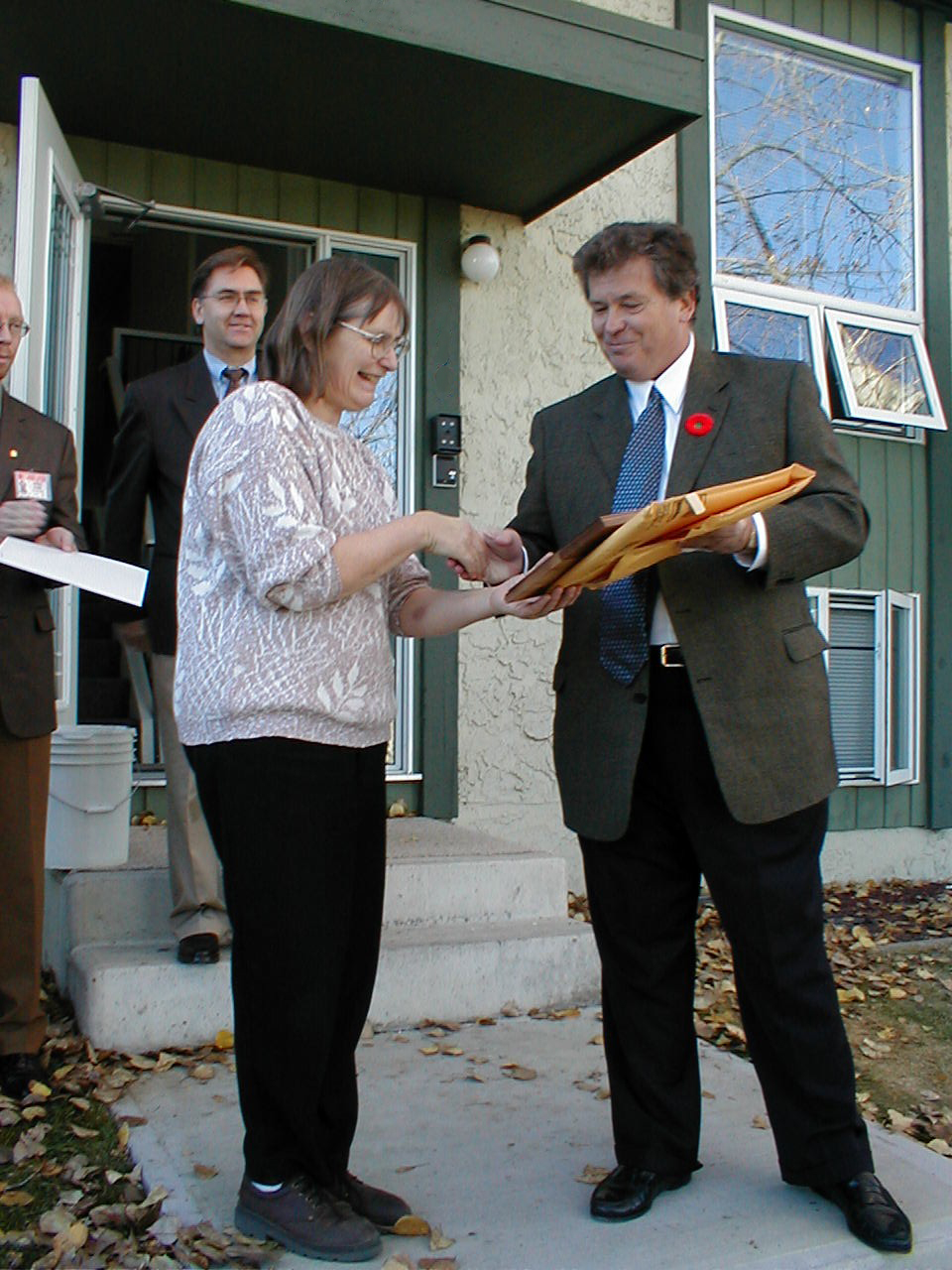
Berkana House opened in October 2001. It grew out of a partnership between the Elizabeth Fry Society of Calgary and the Calgary John Howard Society, and is now completely operated by CJHS.
Before Berkana House opened, women being released to a community residential facility (CRF), often called a halfway house, were housed in facilities designed for men, including CJHS’s Bedford House. There was little acknowledgment that these women were often healing from histories of trauma and abuse, and even less infrastructure built around their specific needs.
Berkana House was designed as a women-centred environment grounded in respect, empowerment, and healing: a place where women, and in some cases their children, could rebuild their lives together. The house was among the first in Canada to allow children to live with their mothers as part of a residential reintegration program, reflecting a belief that family connection could be part of the healing process itself.
That belief has never changed: giving women a safe place to heal, along with housing, support, and where possible, family reunification, can break cycles of incarceration and homelessness. Berkana's apartment-style model supports independent living and helps women build the skills and confidence to transition back into the community. Recognizing the unique cultural needs of Indigenous women, an Elder has always been connected to the program, offering cultural and spiritual support.
Twenty-five years later, this work matters more than ever. Women are the fastest-growing prison population in Canada, and Indigenous women are dramatically overrepresented in the system, making up close to half of the women incarcerated nationally. Berkana House's mission, to offer
women a path away from incarceration and toward stability, remains as urgent today as it was at
its founding.
Berkana House Today
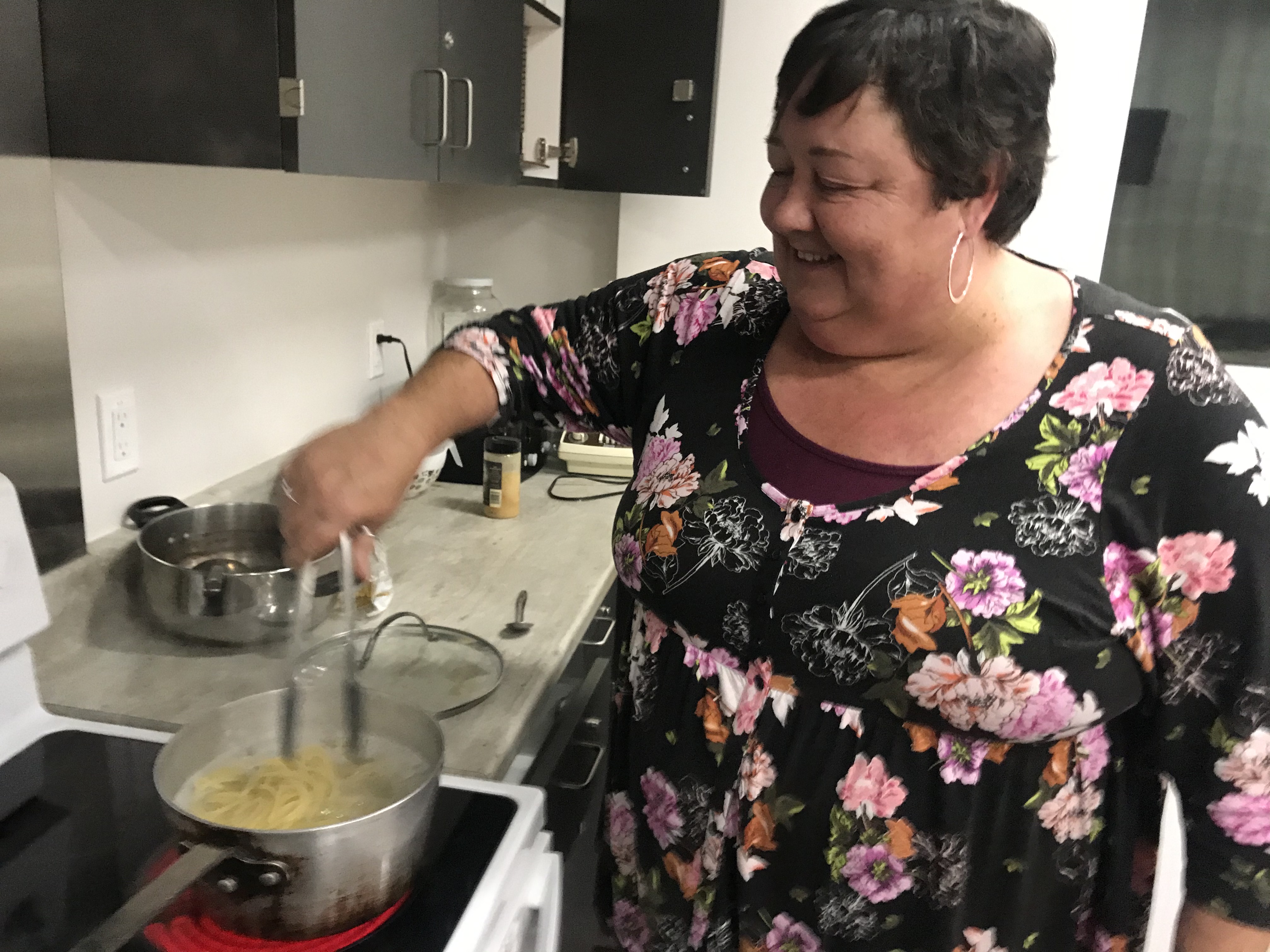
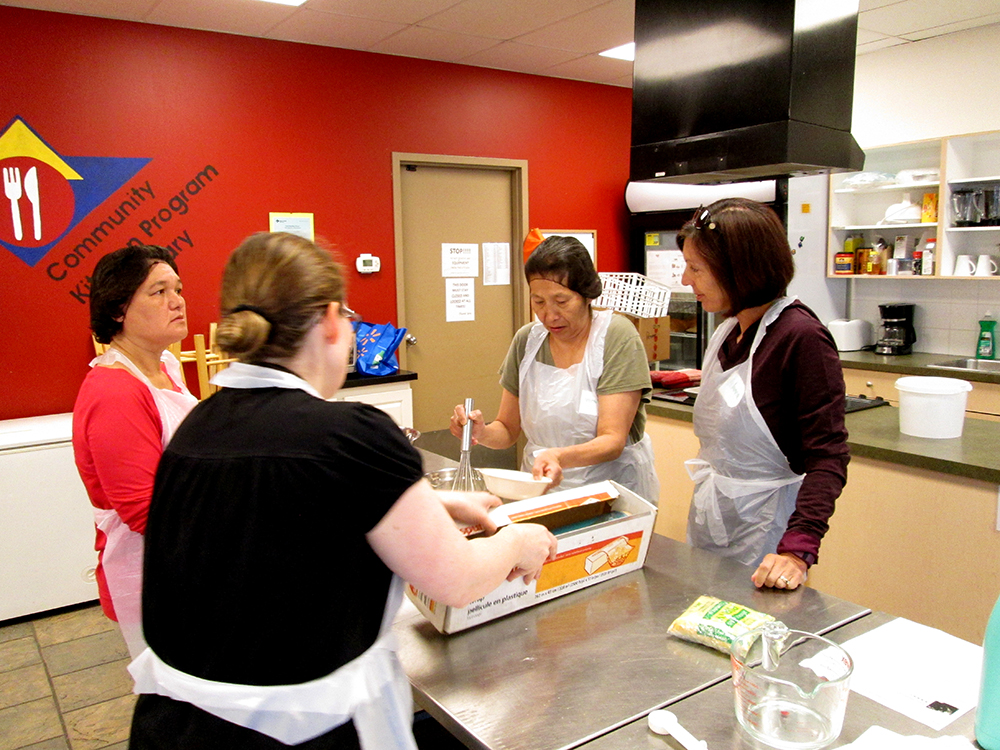
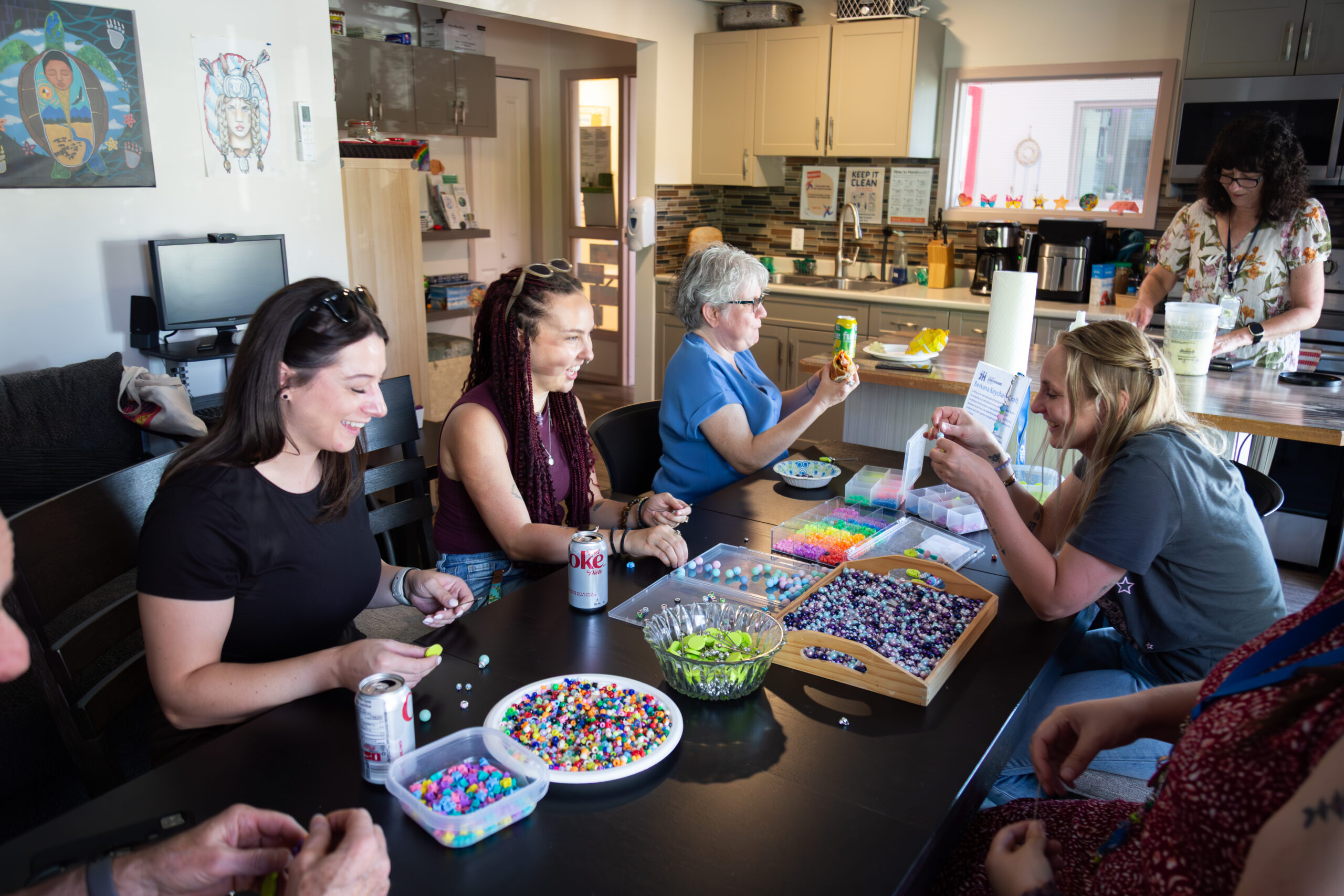
That original vision continues to shape how Berkana House operates today. Two dedicated caseworkers partner with residents on goal-setting, safety planning, and regular check-ins that build trust and address each woman’s individual needs. An integration coach supports the practical side of reintegration, helping residents obtain identification, build grocery shopping and budgeting skills, attend appointments, and learn to navigate public transit, while also fostering connection through a twice-monthly Social Club and a weekly Residents Dinner, which an Elder joins twice a month to offer cultural support and guidance.
Berkana House works closely alongside Correctional Service Canada, whose parole officers, program coordinators, and Indigenous Cultural Liaison Officers all play a role in supporting residents’ reintegration. Twice a year, the Berkana team also travels to the Edmonton Institution for Women to meet with potential future residents and begin building relationships before they arrive.
Setbacks are treated as part of the journey, not a reason for automatic removal from the program. When a resident faces a setback, staff work together with parole officers and the resident herself to build a plan that keeps her safety and continued progress at the centre.
None of this happens alone. Berkana House relies on a strong network of community partners: the Calgary Food Bank provides food to subsidize meals, Women in Need Society (WINS) supplies clothing at intake and furniture at exit, and Aventa, a treatment centre for women, is a frequent bridge into Berkana House for women continuing their recovery journey.
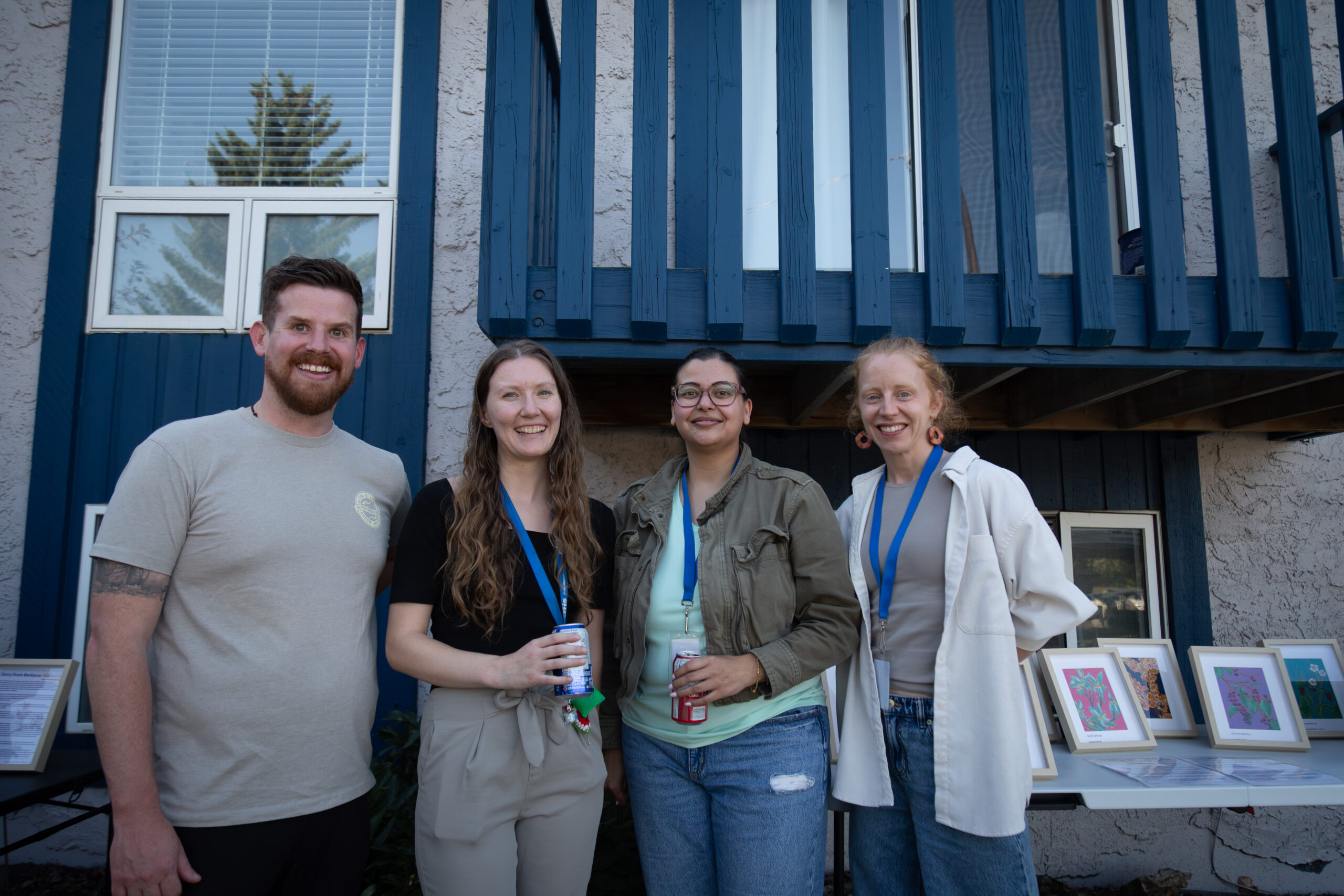
Support doesn’t end when a woman moves out. Former residents remain part of the Berkana community, with open invitations to social outings and events, as well as ongoing phone calls and check-ins from staff. Many women continue to return to Berkana House long after their stay ends, whether to reconnect with staff or to access practical supports like food and other supplies they may need.