At the Calgary John Howard Society (CJHS), we work every day to help vulnerable youth move away from crime and toward stronger futures. But for many youth in our community, that path is far from straightforward. Complex challenges like substance use, homelessness, unstable home lives, and poverty can make it difficult to imagine a different future, let alone achieve one. These factors increase the risk of involvement in the justice system—but early, supportive interventions like recreation reduce that risk dramatically.
For one young man named Jayden*, that journey began with a simple but powerful tool: a gym membership.
Creating change through recreation and connection
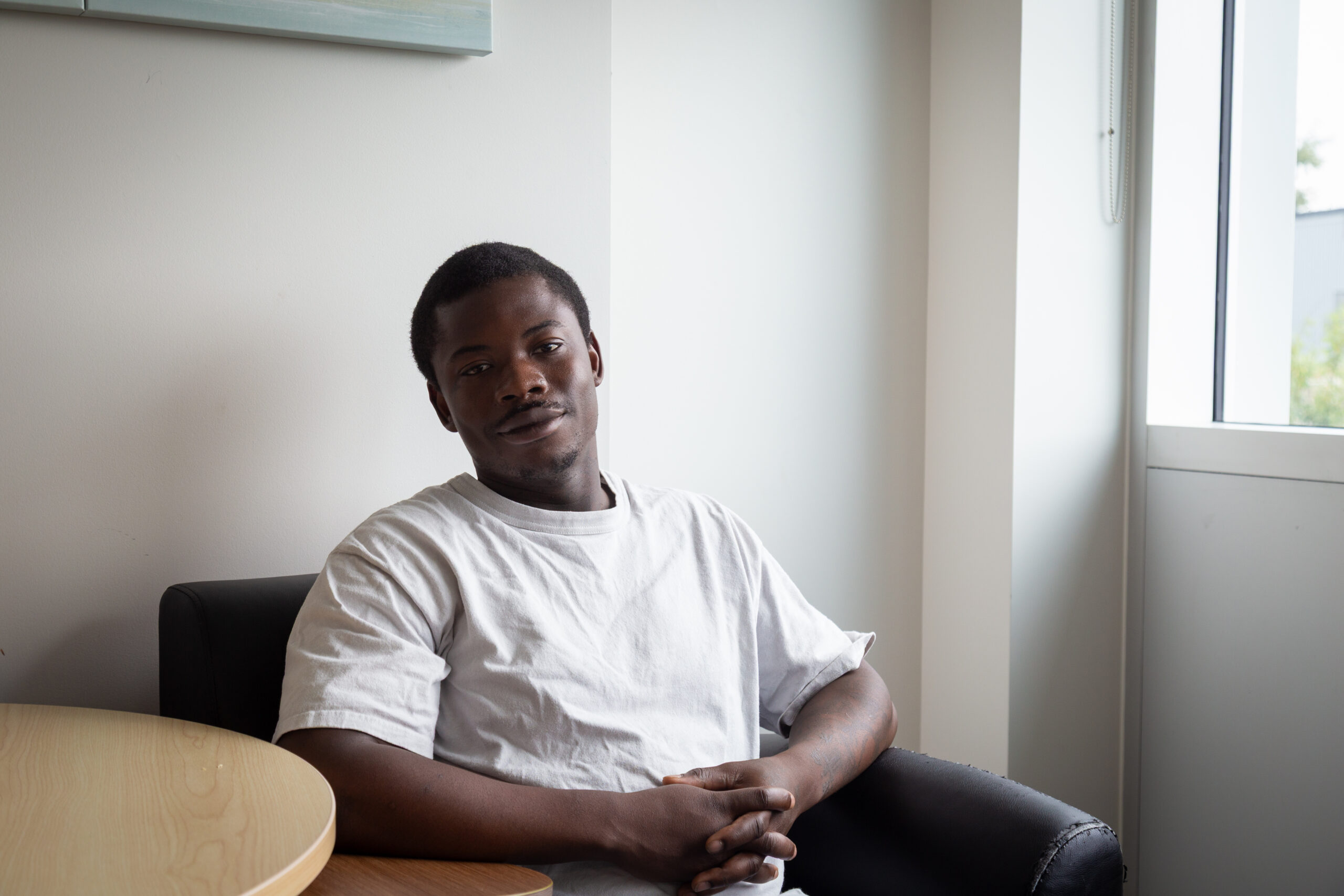
Jayden was only 16 when he first met Terence, one of our youth support workers. He was in a very difficult place, using methamphetamine, and spending most of his time at CTrain stations surrounded by homeless adults who were also experiencing addiction. He was skipping school, selling his belongings to sustain his substance use, and had been in and out of recovery programs. At the time, Jayden’s mental state was dark, and he was deeply struggling with his self-worth and any sense of future.
But despite it all, Jayden had a deep desire to change.
Terence saw potential in him. “He really wanted to turn things around,” says Terence. “But he had very little confidence. He was struggling with body image and didn’t feel like he had a reason to believe in himself.”
Through trust and relationship-building, he helped Jayden identify new interests and opportunities to explore. A key turning point came when Terrance helped him secure funding for a gym membership.
“People sometimes underestimate how much a small opportunity can impact someone who’s never had one,” says Terence. “It gave him a reason to get up, to feel better in his own skin, and to build discipline and structure in his life.”
That small but powerful step opened the door to a new path. Jayden began working out, walking daily, and building his sense of identity and pride. Physical fitness, and his connection to CJHS programming, became the foundation of his transformation.
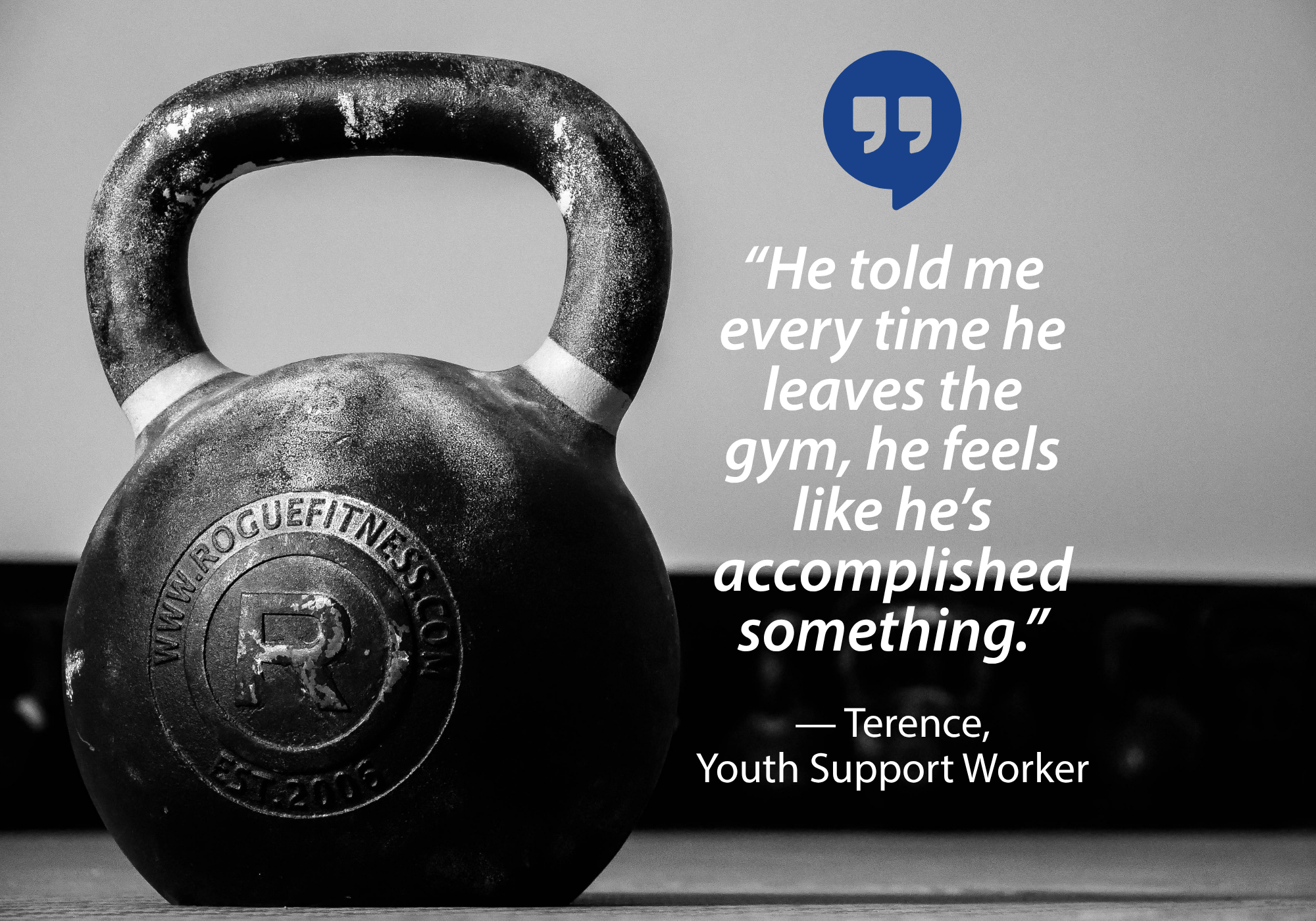
Since then, he has quit smoking, stopped using drugs, and found a renewed sense of purpose. He says he feels a sense of accomplishment every time he walks out of the gym. Today, he’s completing his final year of high school and exploring the possibility of joining the army reserves after graduation, a future that once felt entirely out of reach.
For youth like Jayden, even something as fundamental as completing high school can have huge impacts. Failing to graduate from high school is the second-strongest predictor of incarceration, and is also linked to lower employment rates, reduced earnings, and poorer long-term health.1 In Canada, over 70% of those entering federal prison have failed to complete high school.2 Education, on the other hand, increases economic stability and improves overall well-being.
Jayden’s story is a remarkable turnaround, made possible through the power of trust, recreation, and supportive relationships.
How recreation helps
This story isn’t an isolated case. Recreational and community activities significantly reduce the risk factors that lead to criminal involvement for youth. Having positive relationships with adults and peers is also essential for youth to develop into healthy, thriving adults.3
These programs are also a cost-effective way to reduce crime:
- A dollar invested in enriched childcare returns $17 in reduced criminal justice costs.4
- It costs taxpayers seven times more to achieve the same reduction in crime through incarceration than through social development.5
- Benefits from these interventions can be seen in as little as three years, with 25–50% crime reductions within a decade.6
At CJHS, we provide more than recreational opportunities. We provide access to support systems, safe spaces, and the resources youth need to make sustainable changes in their lives.
CJHS’s youth programs focus on prevention through meaningful interventions. Recreational activities, mentorship, and goal setting help youth build protective factors and reduce their risk of criminal involvement. These supports not only improve quality of life, they also make our communities safer and more connected.
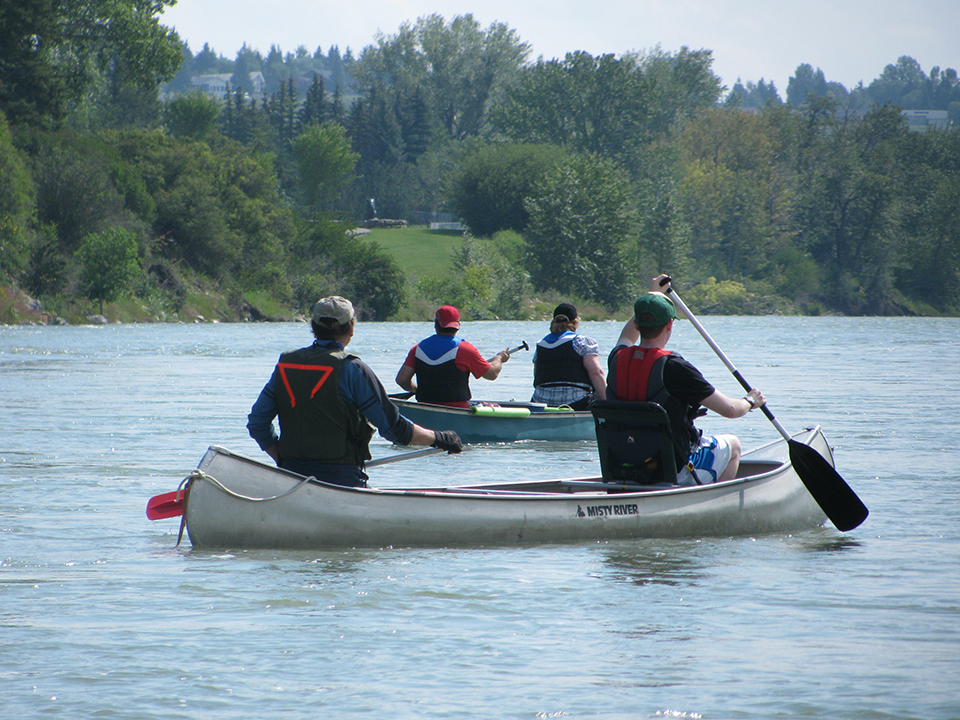
With community support, CJHS can continue to offer life-changing programming to youth who need it most. Whether it’s a hike in the mountains, access to a sports league, or a membership to a local gym, these opportunities can change the trajectory of a young person’s life.
*Name has been changed to protect the youth’s privacy.
1Hankivsky O. Cost Estimates of Dropping Out of High School in Canada. Canadian Council on Learning; 2008:85.
2 Statistics Canada (2005). “General social survey – Criminal victimization”, The Daily (November 24, 2005), http://www.statscan.ca/Daily?English/051124/d051124b.htm
3 Johnson Pittman, K. et al. (2003). “Preventing Problems, Promoting Development, Encouraging Engagement: Competing Priorities or Inseparable Goals?”, The Forum for Youth Investment, Impact Strategies. Inc. ; Canadian Institute for Health Information (2005). “Improving the Health of Young Canadians”, Canadian Population Health Initiative, Ottawa: Canada.
4Institute for the Prevention of Crime (March 2009). “Why Invest?”, Making Cities Safer: Action Briefs for Municipal Stakeholders, Number 3, https://www.publicsafety.gc.ca/lbrr/archives/cnmcs-plcng/cn35266-eng.pdf.
5International Centre for the Prevention of Crime (1999). Crime prevention digest. Montreal: ICPC.
6Canadian Council on Social Development. “Child & Youth Crime Prevention through Social Development”, When Kids flourish, Crime doesn‟. https://www.ccsd.ca/resources/CrimePrevention/index.htm